Understanding the Basics of Photography
Photography can seem daunting with its technical jargon and complex equipment. Whether you're a budding photographer or just curious about capturing beautiful images, understanding basic concepts is key. Here, we'll break down essential photography concepts into simple terms, tailored for beginners in Kalispell, MT.
The Exposure Triangle Explained
The exposure triangle consists of three main components: aperture, shutter speed, and ISO. These elements work together to create a well-exposed photo. Let's explore each:
Aperture: Controlling Light and Depth
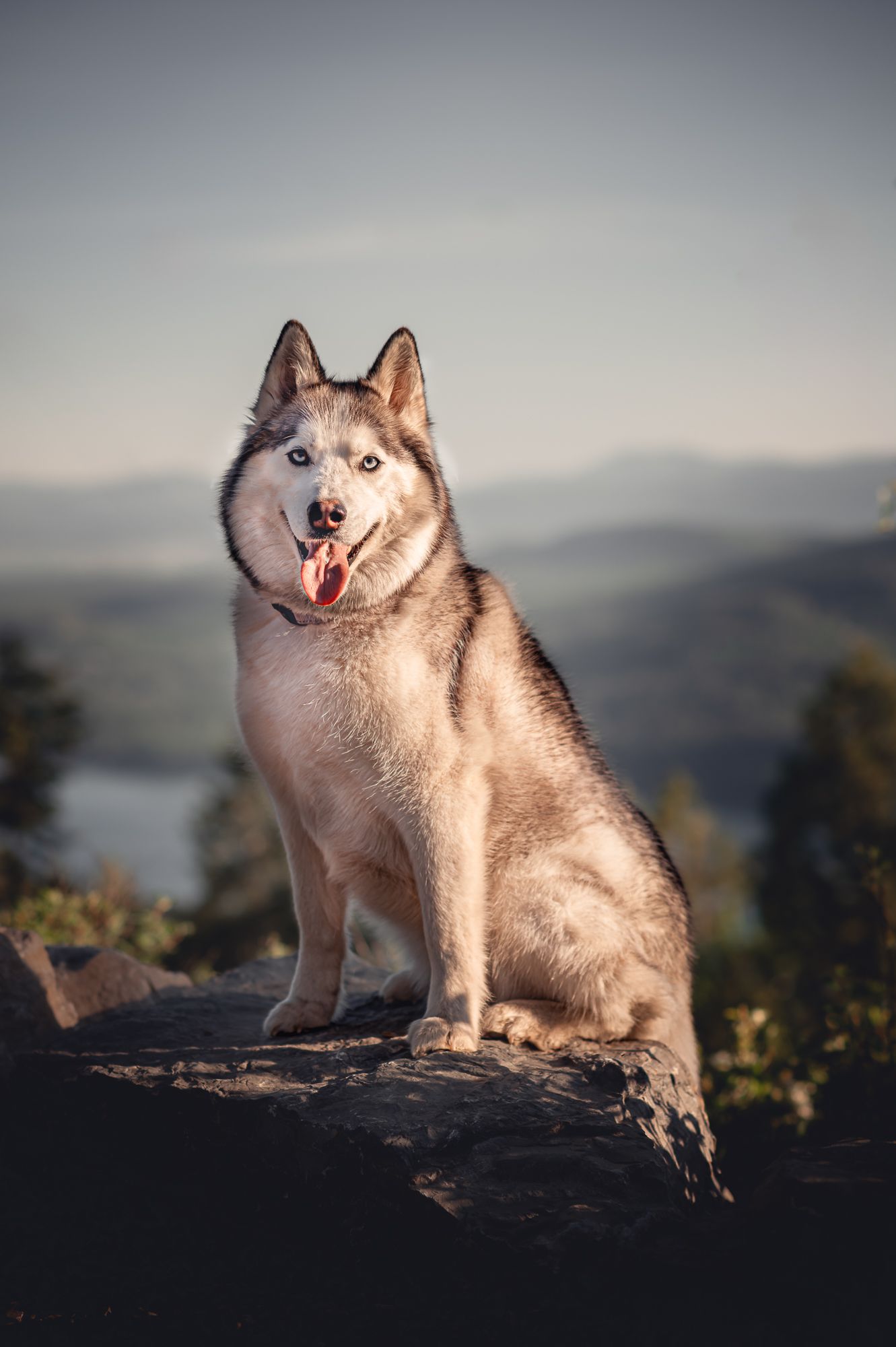
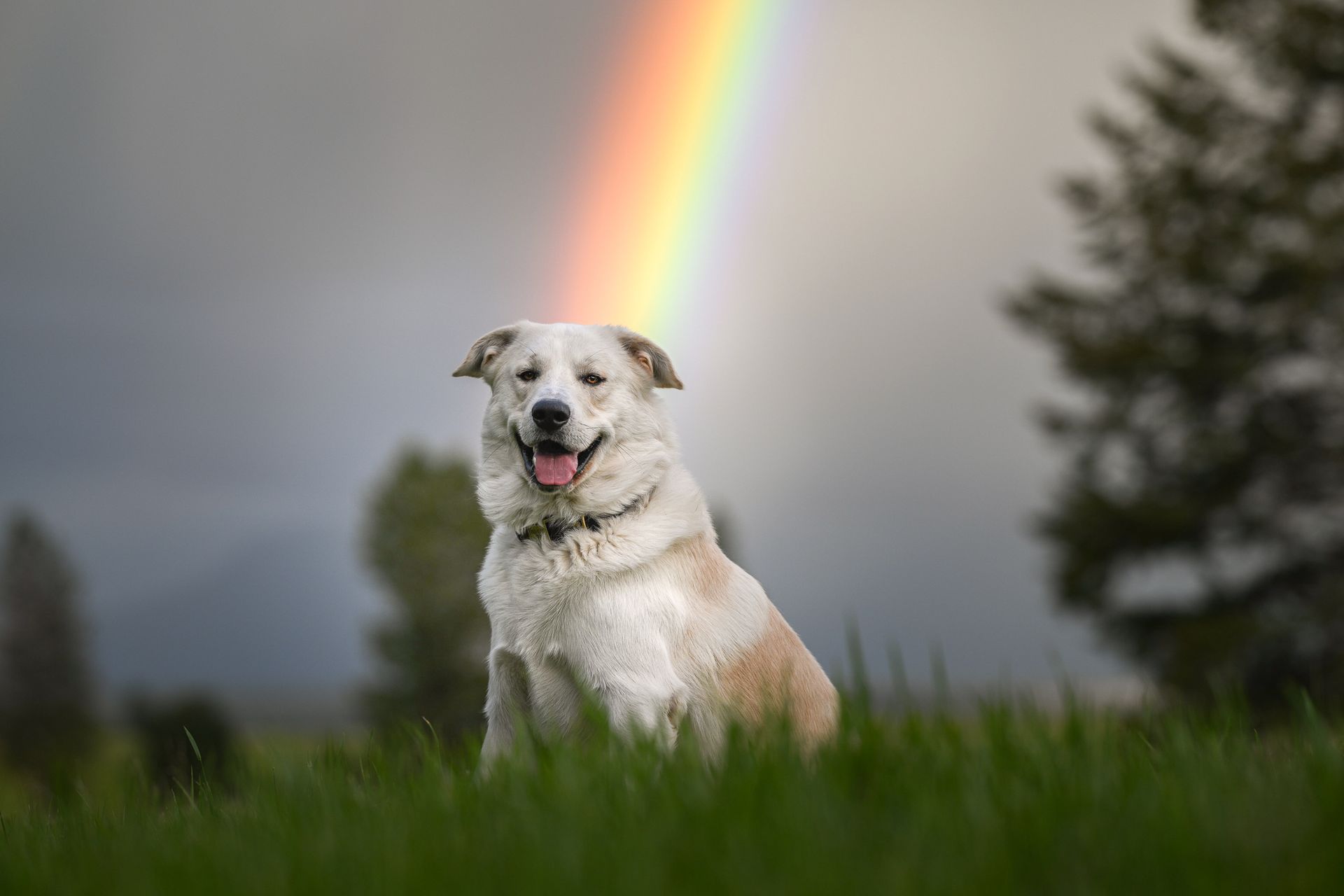
Aperture refers to the opening in your camera lens that lets light in. Think of it like the pupil of your eye, which dilates or contracts to control light intake. A wider aperture (small f-number like f/1.8) lets in more light and creates a shallow depth of field—perfect for portraits. A narrower aperture (large f-number like f/16) allows less light and increases depth of field, ideal for landscapes.
Shutter Speed: Freezing or Blurring Motion
Shutter speed determines how long your camera's shutter is open to let light in. Faster speeds (like 1/1000 of a second) freeze motion, capturing sharp images of fast-moving subjects. Slower speeds (like 1/30 of a second) can create motion blur, which can creatively depict movement or help in low-light conditions.
ISO: Sensitivity to Light
ISO measures your camera's sensitivity to light. A lower ISO (like 100) requires more light for a good exposure, resulting in less noise and clearer images. A higher ISO (like 3200) is useful in low-light conditions but may introduce graininess.
Composition: The Art of Framing Your Shot
Composition is how you arrange elements within your frame. It's a creative aspect, but a few guidelines can help:
- Rule of Thirds: Imagine dividing your image into thirds, both horizontally and vertically. Place key elements along these lines or at intersections to create balance and interest.
- Leading Lines: Use natural lines to guide the viewer's eye through the photo. Roads, rivers, or fences can lead to your subject.
- Framing: Use elements like windows or branches to frame your subject, adding depth and focus.
Lighting: The Key to Great Photos
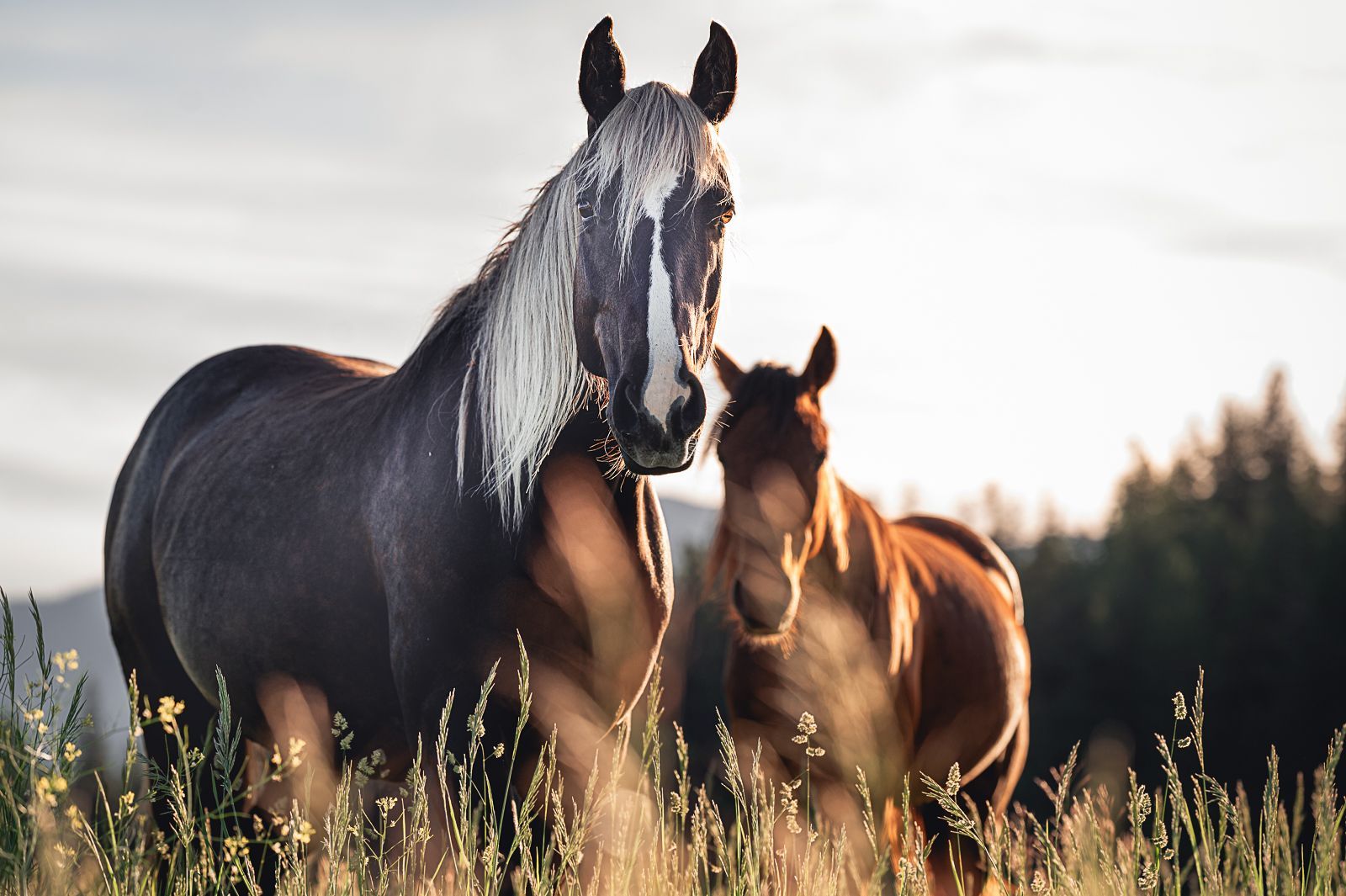
Lighting can make or break your photo. Natural light is often ideal, especially during the 'golden hour'—shortly after sunrise or before sunset. If shooting indoors, position your subject near a window for soft, flattering light.
Choosing the Right Equipment
For beginners, the variety of cameras and lenses can be overwhelming. Here are some tips:
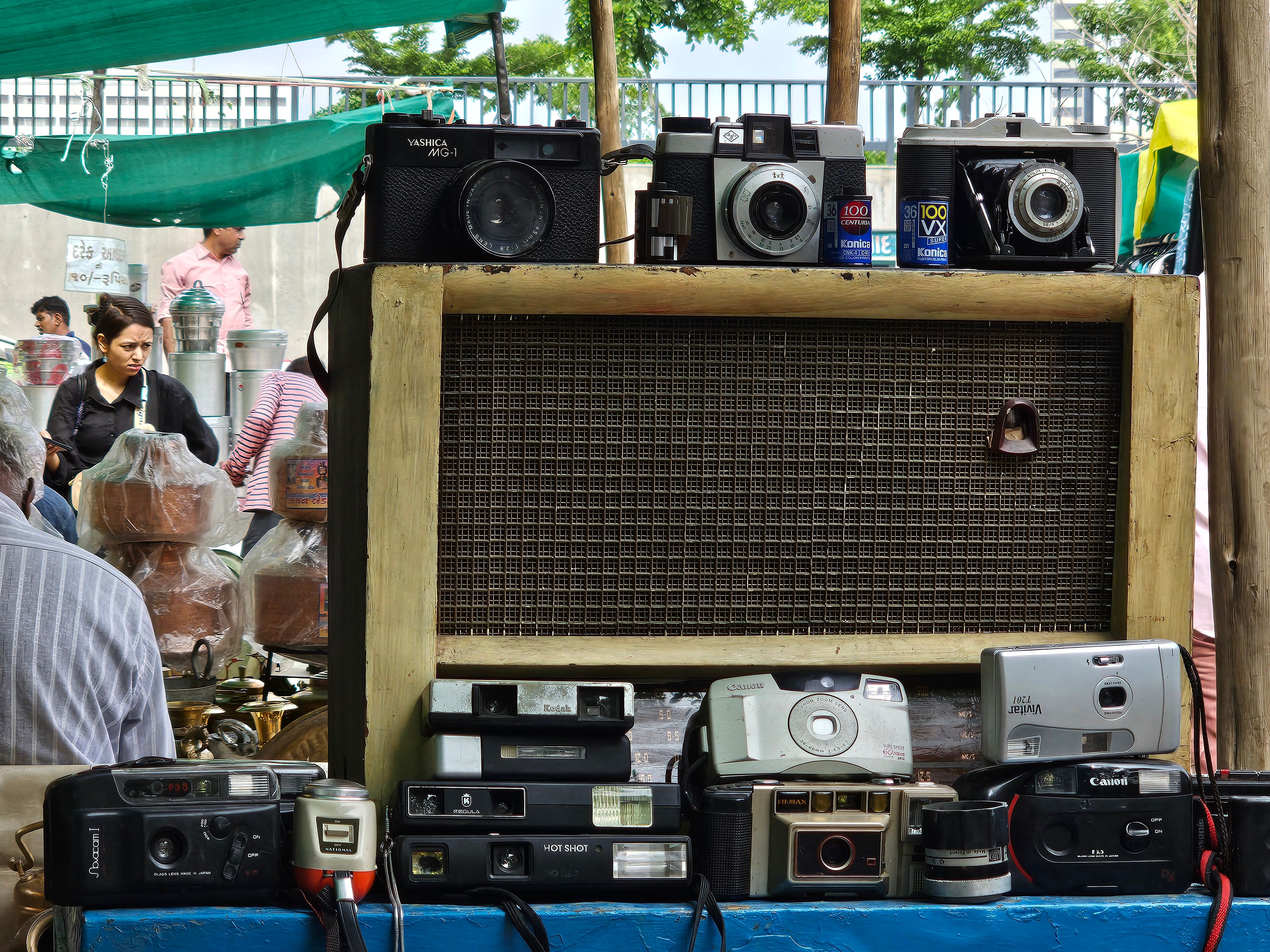
- Camera: Start with a DSLR or mirrorless camera that offers manual controls to help you learn. Entry-level models from brands like Canon or Nikon are great choices.
- Lenses: A prime lens with a wide aperture (like a 50mm f/1.8) is versatile and affordable, ideal for portraits and low-light photography.
- Tripod: Useful for long exposures or when you need stability.
Editing Basics: Enhancing Your Images
Editing can transform a good photo into a great one. Simple tools like Adobe Lightroom or free apps like Snapseed allow you to adjust exposure, contrast, and color balance. Start by experimenting with these basics to enhance your photos without over-editing.
Finding Inspiration in Kalispell, MT
Kalispell offers stunning landscapes and vibrant local culture, perfect for honing your photography skills. Visit Glacier National Park for breathtaking vistas, or explore downtown Kalispell for charming street scenes. Let the natural beauty of Montana inspire your creativity.
Conclusion: Start Your Photography Journey
Understanding these fundamental concepts will empower you to take better photos and appreciate the art of photography. Remember, practice is key. Grab your camera and explore the diverse landscapes of Kalispell, where every scene offers a new opportunity to learn and grow.